January 12, 2026
What are Alternative
Health Plans (AHPs)?
AHPs, also known as non-traditional health insurance models, reshape coverage to give members clarity and help plans deliver simpler, more cost-effective experiences


Why AHPs Now
AHPs bring transparency, guidance and financing
together — giving employers and members a clearer,
more predictable path through care decisions.
Key trends:

Employers are prioritizing price transparency and cost of care

Members expect proactive cost tools and guidance

Plans need connected, digital-first engagement
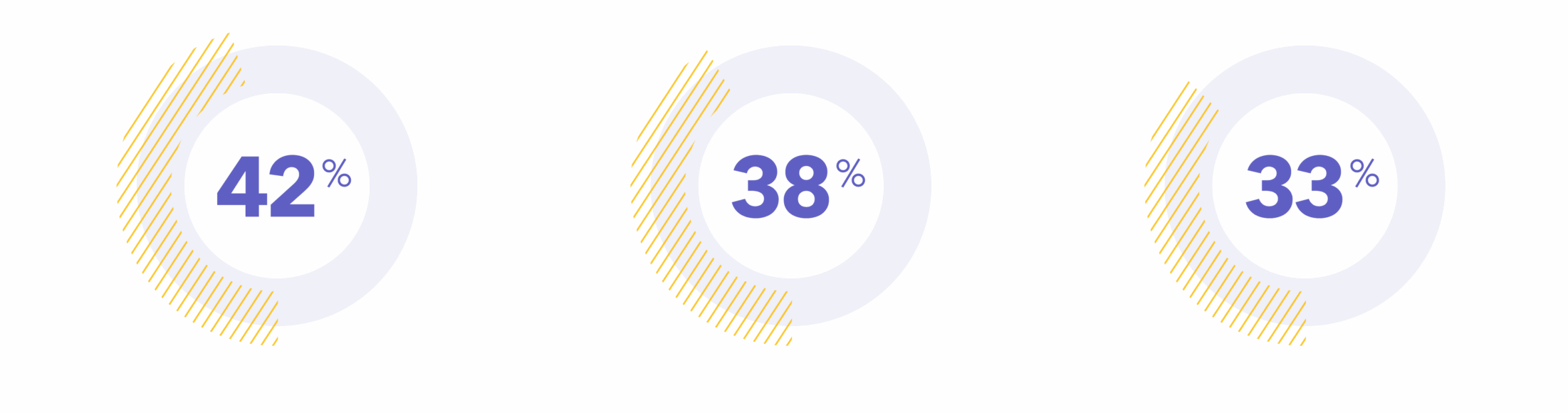

How do Alternative Health Plans work?
AHPs center the member by connecting decisions, data and dollars in one intuitive experience. The result is a more seamless, guided journey that replaces fragmentation with flow.
What are the different types of Alternative Health Plans?
AHPs span advanced primary care, tiered copay designs, financial transparency plans, fully covered routine care, and integrated financing.
Learn more by cycling through the options below.
Member-first primary care that builds trust and drives healthier decisions.
- Strong PCP relationship and navigation
- Preventive care and follow-up emphasized
- Support throughout the care journey
Best for organizations prioritizing long-term outcomes and coordinated care.
Simple copays that guide members to the highest-value care.
- Predictable copays across provider tiers
- Quality + cost transparency baked in
- Members rewarded for value-based choices
Great fit for markets with clear quality/cost variation.
Clear prices and benefit rules upfront.
- Price comparison and benefit visibility before care
- Members understand options and out-of-pocket costs
- Reinforces financial confidence and trust
Ideal for employers focused on financial wellness + planning.
Routine care fully covered — specialty care with built-in flexibility.
- Everyday care at no cost to the member
- Predictable cost structure for more complex needs
- Creates a simple, consumer-like coverage experience
Best for driving preventive utilization and eliminating care hesitancy.
Get care now, pay over time — without interest or fees.
- Members never delay care due to upfront cost
- Single monthly bill for healthcare expenses
- No-interest plans maintain affordability and dignity
Powerful for reducing medical debt risk and improving access.
Pros and Cons of Alternative Health Plans
Pros

Greater cost clarity: Members know what they’ll pay before care

Improved engagement: Digital-first tools and rewards encourage smarter choices.

Financial flexibility: Interest-free payment options reduce upfront burden.

Better outcomes: Preventive care and strong PCP relationships drive long-term health.
Cons

Plan complexity: Multiple design options can require education for members.

Market variability: Tiered copay or transparency models work best where cost/quality data is strong.

Behavioral shift: Success depends on member adoption of new tools and guidance.
Ready to Learn More?
AHPs make more affordable care the center of the member experience. Explore how leading plans are reimagining the member experience.